







“The Devil Wears Prada 2”: When Fashion Becomes a Full-Fledged Economy
The cinematic world and fashion enthusiasts alike are buzzing with anticipation for “The Devil Wears Prada 2,” a sequel that elevates the intersection of film and fashion into a sophisticated economic ecosystem. The film’s promotional materials and premiere events, predominantly featuring a striking red and black palette, symbolize power, allure, tension, and the cool, sophisticated rigor central to the fashion industry. This visual language sets the stage for a narrative that is both glamorous and complex.
This iteration of the film marks a significant shift from its predecessor, overtly embracing its commercial aspects. Unlike the subtle product placement of the past, “The Devil Wears Prada 2” openly integrates fashion houses, jewelry brands, and cosmetic companies, inviting them into every facet of the production and promotion. This strategy is evident in the red carpet appearances and continues post-release, demonstrating a high-stakes race for brand visibility.
In 2006, the original “The Devil Wears Prada” faced considerable hurdles in securing collaborations with major designers, as fashion stylist Patricia Field recounted. The film’s narrative, inspired by the formidable Anna Wintour, then editor-in-chief of American Vogue and a towering figure in the fashion industry, touched upon sensitive territory. Wintour continues to wield significant influence as a strategic and content overseer at Condé Nast, the parent company of iconic fashion publications.
Many brands opted for a cautious distance, observing the landscape from afar. An exception was the late designer Valentino Garavani, who not only provided designs for the film but also made a cameo. This brief appearance had a substantial impact, with Valentino’s Rockstud shoes reportedly generating approximately $1.9 million in media value in the four months following the teaser trailer’s release, according to Launchmetrics. The sequel acknowledges this legacy by featuring a contemporary version of the renowned footwear.
Miuccia Prada, whose name graces the film’s title, likely agreed to participate with a degree of trepidation, acknowledging the inherent adventure but also the inevitability of association. The first film achieved significant commercial success, grossing over $326 million worldwide. It also served as a pivotal moment for Anne Hathaway, transitioning her from lighthearted roles to more mature and complex characters, and broadened Meryl Streep’s popular appeal beyond traditional critical circles.
The original film offered audiences a glimpse into the alluring, yet often opaque, world of high fashion, while fashion industry insiders learned a valuable lesson from the adage attributed to P.T. Barnum: any publicity is better than none.
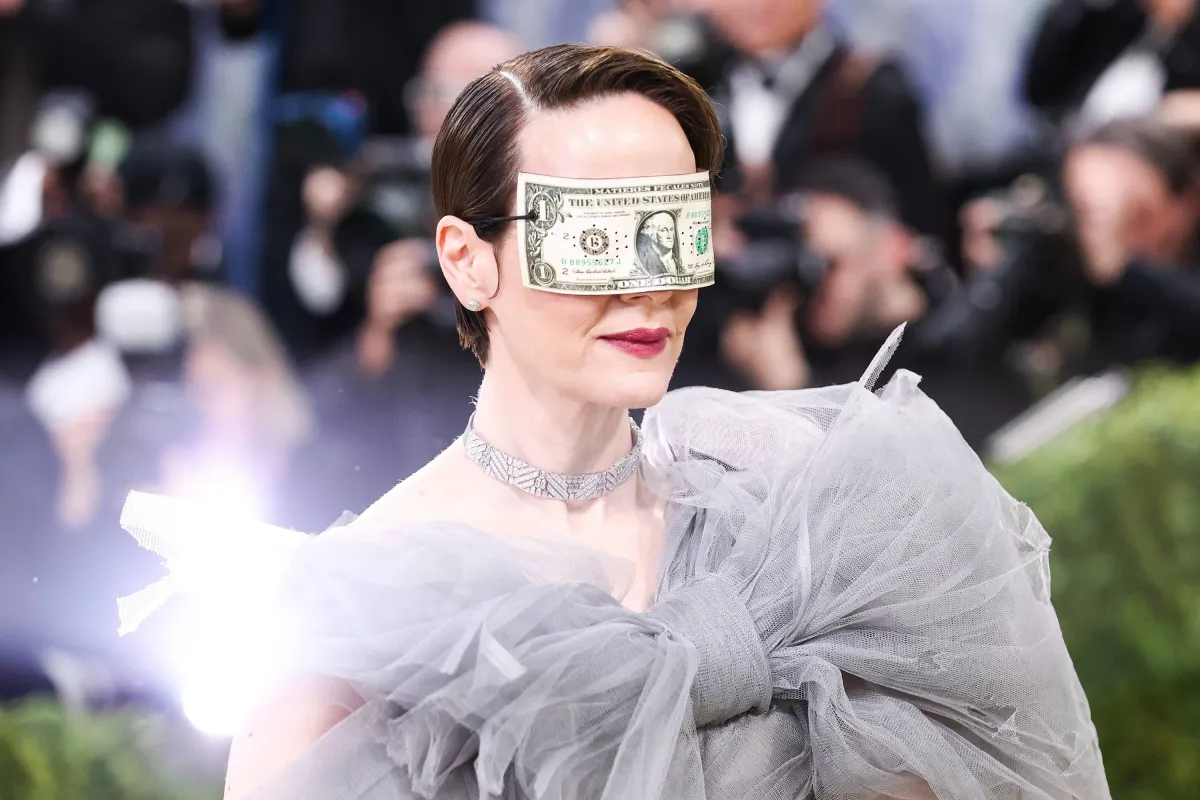
The sequel capitalizes on opulence and intrigue, showcasing bespoke suits, elegant handbags, and unreleased footwear, complemented by extravagant makeup, hairstyles, and jewelry. This maximalist promotional approach continues at global premieres, blurring the lines between film events and fashion showcases for brands like Celine, Balenciaga, and Dior. While some deem this overtly direct marketing, others find it acceptable, viewing the commercial aspect as a form of entertainment. This perspective posits that consumers are keenly aware of marketing messages, even subtler ones, and understand that celebrity attire at major events is often gifted or loaned, making overt acknowledgment a logical approach.
### Fashion: A Mirror to its Era
Within the film, fashion transcends mere visual appeal or a separate industry; it functions as a reflection of the era’s culture, economic shifts, and political climate. In 2006, with less acute economic crises, the film portrayed the fashion world with a blend of fascination and satire, maintaining a degree of detachment.
The second installment, however, situates the fashion world within a more anxious global context. It addresses economic pressures, influencing choices towards pre-owned or recycled clothing and the pursuit of balance between luxury and current economic realities. The film also explores the challenges faced by print journalism amidst the rise of visual media and social platforms, and the integration of artificial intelligence. A scene depicts Stanley Tucci using an AI-powered shopping tool to select a dress, illustrating the transformation of fashion choices into data-driven, algorithmic suggestions. This reflects how AI has become an ingrained part of the shopping experience. Andy Sachs, portrayed by Anne Hathaway, evolves from being overwhelmed by the rigid professional and aesthetic standards of the first film to adapting to a broader media and economic landscape where fashion, media, and marketing intermingle.
These narrative nuances imbue the sequel with a grounded realism that was less pronounced in the first film, marking a new evolution in the relationship between fashion and cinema. It has transformed from a behind-the-scenes exposé designed to boost box office sales into an integrated network of luxury fashion houses, tech companies, and retail platforms, all generating millions for participating studios and brands.
### Distributing the Roles
Brands like Dior, Tiffany & Co., Mercedes-Benz, Schiaparelli, Givenchy, L’Oréal, Walmart, Starbucks, and Samsung Galaxy are among those involved. Even brands not directly featured in the film seek presence at premiere events, which have evolved into multi-layered global promotional platforms. Disney has strategically leveraged this project, creating a partnership model that integrates brands in various tiers. The first tier involves luxury fashion houses whose clothing, accessories, and jewelry are integral to visual storytelling and character development.
The second tier includes brands like Starbucks and Samsung, participating in joint marketing campaigns and cross-promotional media appearances. The third tier encompasses retail and licensing partnerships, such as with Walmart and Old Navy, where film elements are translated into consumer products.
This model redefines the film as more than a cultural product; it is an integrated economic structure where brands are participants in the system itself, not merely external advertisers. Their involvement ranges from plot integration within the film to product lines marketed under the film’s banner.
The concept of “earned media value” is central, with preliminary estimates suggesting the film has generated approximately $38.6 million in this value, excluding ticket sales. This figure represents the volume of media coverage and digital engagement stemming from brand presence both within and outside the film.
### Economic Value
This value is shaped by press coverage, social media content, co-branded campaigns, and cultural engagement with the film’s looks, characters, and associated brands. Some estimations suggest each on-screen appearance can generate around $2 million in media value, highlighting fashion’s transition from a visual element to a measurable economic unit.
The contrast between 2006 and the present is stark. The caution of the past has been replaced by a palpable drive for brand association. Major labels proactively contacted Disney studios long before the film’s release to secure marketing presence. Tresemmé, a hair product brand, initiated its request in the fall of 2024, alongside L’Oréal and Pantene, aiming to transform every scene into shareable social media marketing material.
The future of this collaboration remains to be seen, with ongoing negotiations and evolving digital marketing strategies to watch.


